Tel:+86-13912736621
Email:[email protected] | [email protected]

Tel:+86-13912736621
Email:[email protected] | [email protected]
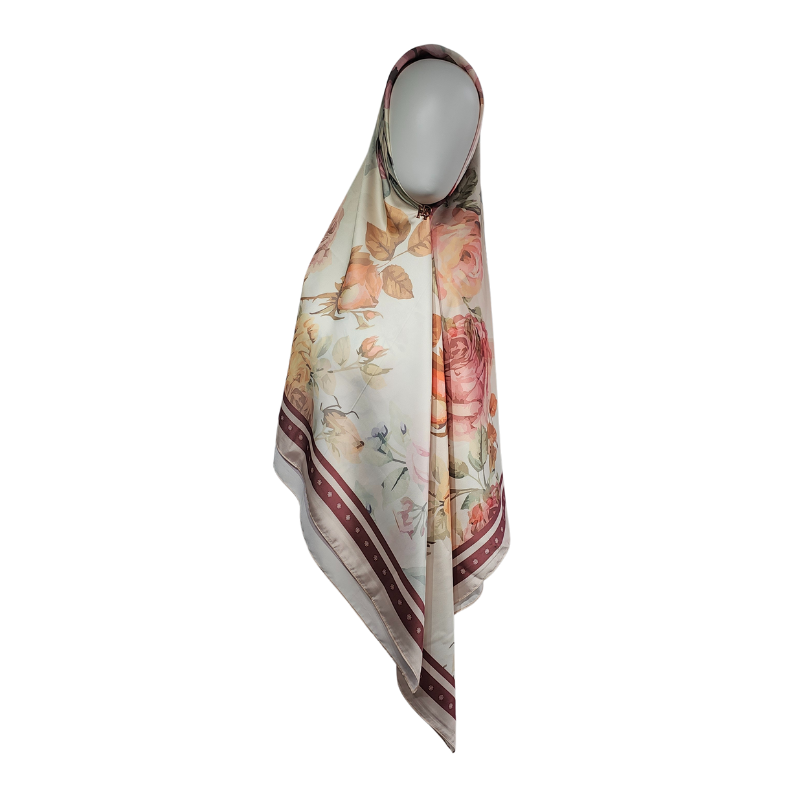
In several countries, government authorities deny Muslim women the right to wear hijab ripstop fabric in public places such as schools and government offices. This has provoked heated debate and rifts among supporters of religious freedom and advocates for secularism. Bans on the hijab are controversial, with some calling them an attack on religious freedom, while others view them as necessary for secularism and gender equality.
The Hijab ban has legal consequences affecting the lives of Muslim women in these countries. These women are subject to discrimination, marginalization and even persecution for their hijab in public places, where it is banned. Laws and on the prohibition also differ from country to country and can be punished with fines or other penalties when people breach the ban.
Muslim women suffering from hijab ban often struggle in their daily life. They could face harrassment, discrimination and bullying for their decision to wear hijab in devotional submission. In some instances, can be prevented from attending school, working or accessing public services because of their religious clothing.

Why are some countries banning the hijab in public? Some officials say such bans are needed to preserve secularism and to keep the religious extremism in check. They think that permitting overtly religious dress in public buildings challenges the values of state neutrality and social cohesion.
The hijab ban has led to international reactions from organizations, governments, and people around the world. The ban has drawn condemnation from the many human rights group and religious organizations that have accused Kazakhstan of violating rights to freedom of religion and expression. Some nations worry about the effect of the ban on the rights of Muslim women and call for a withdrawal of such bans.
 EN
EN