 EN
EN


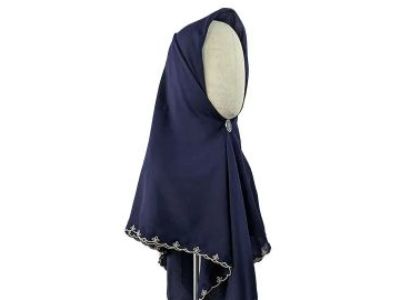
Hijab cloth The materials of hijab slip into a number of classes. Some are composed in traditional materials that have been favored since the poncho’s inception. Other candidates are formed from newer materials that are only a handful of years old. Fun Color Textile would like to know the history of hijab fabrics and how they evolved.
Traditional Hijab Fabrics – Where it all began
Traditional hijab materials have a rich heritage. Women have worn them for thousands of years to shield their heads and bodies. Cotton is the most popular traditional fabric. Cotton is soft, comfortable and washable: Women in hot places tend to love cotton hijabs, because they’re lightweight and let air through.
Another traditional material is silk. Silk is smooth and lustrous and feels fancy. It's frequently served for special occasions such as weddings and parties. Silk hijabs can be quite expensive because silk is a fragile and labor-intensive fabric to create.
Hijab in the making
Eventually, other materials were found for hijabs. One key development was the creation of synthetic materials. Man-made synthetic fabrics such as polyester and nylon and polyester are created by people and used in common items of clothing. They are sturdy, low-maintenance — businesses recommend cleaning them seasonally with just dish soap and water — and available in a variety of colors and patterns.
The usage of mixed material was another significant change. Mixing two or more materials to form a blended fabric. A hijab, for instance, could be made from a blend of cotton and polyester. Textile blends can be soft as cotton and strong as polyester.
A Look At Contemporary Hijab Fabrics
The quality of modern hijab fabrics is available in numerous types. Some are designed for sports, others just for life. A few recent fabrics include spandex, chiffon, and bamboo. Spandex is stretchy and can be used in athletic hijabs to give women the flexibility to move around while working out.
Chiffon Light and sheer, chiffon is a popular choice with formal hijabs. It is quite elegant and a frequent choice for weddings and parties. Makes of Bamboo; Bamboo is a soft and breathable material which makes it ideal for women that love natural knickers.
How Technology Is Changing the Look of the Hijab
It’s easier than ever to dream up new hijab fabrics, thanks to technology. For instance, digital printing enables fabric designers to create detailed patterns and designs that they were unable to create before. Colorful-print hijabs with fun graphics are popular.
Another major change has been moisture-wicking materials. These materials aid in wicking moisture away from your skin, which is great for women on the go. Such special cloths can be useful to women who wear the hijab while taking physical exercise.
Balancing Old and New
Women who wear a hijab often consider both tradition and new ideas when they choose a fabric. They may crave fabric that feels comfortable and practical but also reflects who they are. Women also want traditional material like cotton and silk because they have cultural significance. Some prefer stretchy modern fabrics like spandex and bamboo for their ease of care and availability in various colors.
Fun Color Textile knows that every woman is different – and there is no “One size fits all” answer to hijab fabrics. That’s why we provide a variety of options for women. Whether you prefer classic fabrics, or love combining the old with the new, our collection has it all.