
 EN
EN


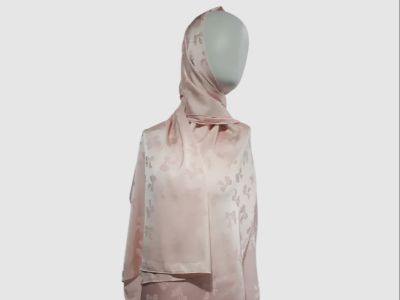
Fun Color Textile shares with you an amazing post on bawal hijabs in South East Asia. These hijabs are trendy for the women in the area, they are attractive, useful, and it is a part of their culture.
The Significance of Bawal Hijabs in Southeast Asia
Bawal hijabs have a rich tradition in the culture of Southeast Asia. They are Muslim women’s traditional head scarves covering the hair and the neck. In nations such as Malaysia, Indonesia and Brunei, bawal hijabs are more than mere Fabric, but a symbol of modesty and religious devotion. Muslim women wear it to identify themselves, or to honor what’s in their hearts.
Why Women Love Bawal Hijabs?
Bawal hijabs Women in Southeast Asia like bawal hijabs because they are easy to wear and versatile. These hijabs Fabrics Prepared For Print are available in a range of colors and patterns, so you can mix and match them with outfits. They are good for coverage, and comfortable for wear every day.
Hijabs as a Fashion Statement
Bawal style hijabs have been worn as a fashion statement in Southeast Asia for years. Women wear them not just as a religious practice but as fashionable accessories. Thanks to social media and fashion bloggers, bawal hijab cotton muslin fabric has gained popularity as it looks fashionable.
The Flexibility of Bawal Hijabs
The first reason bawal hijabs are good is that they are very versatile. You can style them in multiple ways — hung over the head or wrapped around the neck for a new look. Women also have the ability to experiment with the options of materials and texture to design spectacular looks that represents her persona.
Verse with an Old-fashioned Flavor but in a Modern Manner
While they are in vogue today, bawal hijabs are steeped in tradition that many women in Southeast Asia continue to hold dear. The simplicity and demureness of bawal hijabs are the legacy of values that we pass down to the next generation. They represent cultural identity and heritage to women who wear them with pride.